
Get in Touch with Our Trek Expert
Trek Fee
EX.Rishikesh to Rishikesh
Loading rental items...
Select Number of Seats
SELECT DATE TO REGISTER - 2026
About Kuari Pass Trek
Experience the adventure of a lifetime
Quick Itinerary
Day 1: Rishikesh Karchi Village
200 km/8-9 hrs drive-6,500 ftTent/homestay.
Day 2: Karchi → Akhorgata
8-10 km trek /5-6 hrs-8,500 ftTent camp
Day 3: Akhorgata→ Khullara Top
6-7 km trek/4-5 hrs-10,000 ftTent camp
Day 4: Khullara → Kuari Pass → Khullara
12-14 km/7-8 hrs~12,500 ftTent camp
Day 5: Khullara Karchi
10-12 km/5-6 hrs-6,500 ftTent/homestay
Day 6: Karchi Village → Rishikesh
Return back to Rishikesh
Photo Gallery of Kuari Pass Trek
Detail Itinerary
Day 1: Rishikesh to Karchi Village (Approx. 200 km trek/8-9 hrs drive)
• Assemble at Rishikesh early morning. Meet the team. Board the vehicle and start the journey towards the Joshimath region. • Scenic drive through Devprayag, Karnaprayag, and Chamoli. Stop for breakfast and lunch at local dhabas along the way. • Arrive at Karchi Village by late afternoon. Settle into the campsite/homestay tents. Light acclimatisation walk in the village area to explore local life and surroundings. Campfire session, briefing about the trek, weather conditions, and safety protocols. • Dinner and rest. Altitude: -6,500 ft Stay: Tented camp/homestay Meals: Dinner included
Day 2: Karchi to Akhorgata (Approx. 8-10 km trek/5-6 hrs)
• After breakfast, start the trek through forest trails and meadows. • Gradual ascent with stunning views of alpine flora and fauna. Walk past small streams and wooden bridges. Stop at scenic points for photography and refreshments. • Reach Akhorgata, a beautiful campsite surrounded by oak and rhododendron forests. Group activities, storytelling sessions, and relaxation by the campfire. • Dinner followed by early rest. Altitude: ~8,500 ft Stay: Campsite with tents Meals: Breakfast, packed lunch, dinner
Day 3: Akhorgata to Khullara Top (Approx. 6-7 km trek / 4-5 hrs)
• After breakfast, trek towards Khullara Top, ascending through grasslands and rocky paths. Spectacular views of Nanda Devi, Dronagiri, and other Himalayan peaks. • Arrive at Khullara Top by early afternoon. Set up camp, relax, and enjoy panoramic mountain views. Short exploration hike nearby. Prepare for the next day's pass crossing. • Dinner, campfire, and discussion on trek highlights so far. Altitude: ~10,000 ft Stay: Campsite with tents Meals: Breakfast, packed lunch, dinner
Day 4: Khullara to Kuari Pass and back (Approx. 12-14 km/7-8 hrs)
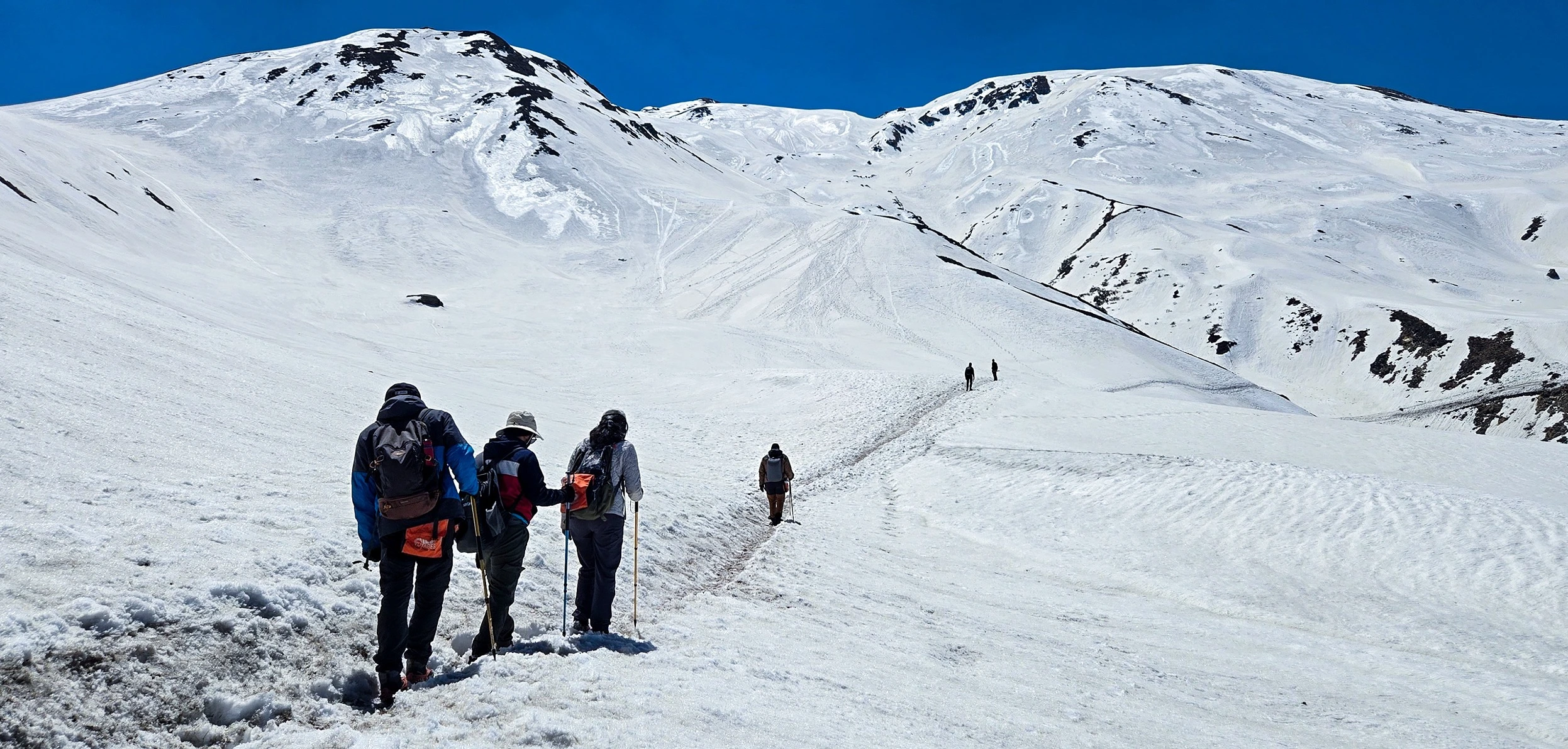
• Start trek before sunrise to reach Kuari Pass (~12,500 ft). Witness a breathtaking sunrise over the Himalayan peaks. Explore the pass, take photographs, and enjoy snow patches (season-dependent). • Brief time at the top appreciating the spectacular 360° views of peaks like Nanda Ghunti, Hathi Parvat, and Mana Parvat. Begin descent back to Khullara Top. Rest and relax at the camp after the return journey. • Celebrate the successful trek with a group dinner and reflection session. Altitude: Kuari Pass -~12,500 ft Stay: Campsite with tents at Khullara Meals: Breakfast, packed lunch, dinner
Day 5: Khullara to Karchi Village (Approx. 10-12 km / 5-6 hrs)
• After breakfast, start the descent trek towards Karchi Village. Walk through forests and streams with views of the mountains behind. • Reach Karchi Village by afternoon, Relax and unwind at the campsite or homestay. Optional visit to local farms and interact with villagers. • Final group dinner and feedback session. Prepare for the journey back. Altitude: ~6,500 ft Stay: Tented camp/homestay Meals: Breakfast, packed lunch, dinner
Day 6: Karchi Village to Rishikesh (Approx. 200 km/8-9 hrs drive)
• After breakfast, pack up and start the drive back to Rishikesh. Stop for refreshments along the way. • Arrive in Rishikesh by late afternoon. Trek concludes, participants can arrange onward travel.
Highlights of the Kuari Pass Trek
Panoramic Views of Majestic Himalayan Peaks
The Kuari Pass Trek is renowned for its stunning panoramic views of some of the most iconic Himalayan peaks. From the pass, you can witness the grandeur of Nanda Devi (7,816 m)—India’s second-highest mountain—alongside Dronagiri, Nanda Ghunti, Hathi Parvat, and Mana Parvat. The vast 270-degree view of snow-clad mountains creates a breathtaking spectacle, making it one of the most picturesque trails in Uttarakhand.
Lush Oak and Rhododendron Forests
The trail passes through dense oak, deodar, and rhododendron forests, rich in biodiversity. These forests are home to numerous bird species and small wildlife, offering trekkers an immersive nature experience. In spring, the rhododendrons bloom in vibrant shades of red and pink, adding a splash of color to the green Himalayan landscape.
Serene Meadows and Alpine Streams
Beyond the forests, the trail opens into serene meadows—locally known as Bugyals—where soft grass carpets the hillsides. Alpine streams meander through these meadows, creating peaceful spots ideal for photography, relaxation, and quiet reflection. The interplay of light, water, and snow-clad peaks forms postcard-perfect scenery throughout the trek.
Magical Sunrise at Kuari Pass
Witnessing the sunrise from Kuari Pass is truly an unforgettable experience. As the first rays of sunlight touch the Himalayan peaks, they glow in shades of gold and amber, illuminating the entire range. The panoramic view bathed in golden light is one of the trek’s most memorable moments—a sight that leaves trekkers spellbound.
Cultural Interactions in Karchi Village
The Kuari Pass trail offers a unique opportunity to interact with local villagers and learn about the traditional way of life in the Himalayan foothills. A visit to Karchi Village allows trekkers to experience authentic Garhwali culture, observe farming practices, and enjoy the warmth and hospitality of the mountain communities.
Campfire Nights and Group Bonding
Evenings on the trail bring the group together around crackling campfires, sharing stories, laughter, and experiences under a star-lit sky. These moments of camaraderie create deep bonds and lasting memories, making the trek not just an adventure but also a shared human experience.
Safe and Guided Adventure
Your journey is supported by a team of experienced guides, cooks, and support staff who ensure safety, comfort, and a smooth trekking experience. From navigation to meals and camping arrangements, every detail is managed professionally—allowing you to focus on the beauty and thrill of the trek without worry.
How difficult is the Kuari Pass Trek
The Kuari Pass Trek is graded as a moderate trek, making it an excellent choice for beginners with a basic level of fitness and some prior trekking experience. The trail offers the perfect blend of challenge and enjoyment — enough to test your endurance without being overwhelming. Terrain and Trail Conditions The route takes you through diverse landscapes, including dense oak and rhododendron forests, rolling grasslands (bugyals), rocky mountain paths, and, in winter, snow-covered stretches. The trail is well-defined and gradual, with no technical climbing involved. However, trekkers should be prepared for a few steep ascents and descents, especially as they approach higher camps and the pass itself. Key Terrain Features: • Forest trails with moderate inclines • Open meadows and alpine pastures • Rocky patches and uneven ground near the pass • Snow sections during winter (December–February) Trekking Duration and Effort On average, you’ll trek 4 to 8 hours a day, depending on the route plan and weather conditions. The itinerary is designed with ample rest breaks and a gradual elevation gain to support acclimatisation. The maximum altitude reached is around 12,516 ft (3,815 m) at Kuari Pass — high enough to offer stunning Himalayan views, yet manageable for fit beginners. Fitness Requirements: While no advanced training is needed, good physical preparation will enhance your comfort and enjoyment on the trail. We recommend: • Regular walking or jogging (4–5 km daily) for at least 3–4 weeks before the trek • Light strength training or cardio to improve stamina • Practice hikes with a backpack to get used to carrying weight With basic preparation, most trekkers can comfortably trek the Kuari Pass Trek. Seasonal Difficulty: • Spring & Autumn (April–June, Sept–Nov): Moderate and ideal for beginners — clear trails and pleasant weather. • Winter (Dec–Feb): Slightly more challenging due to snow and colder temperatures, but extremely rewarding for those seeking a snow trek. • Monsoon (July–Aug): Not recommended due to slippery trails and reduced visibility. Verdict: Perfect for First-Time Himalayan Trekkers If you’re looking for your first Himalayan adventure or want a moderate-level challenge with spectacular rewards, the Kuari Pass Trek is a great choice. With scenic diversity, manageable altitude, and well-paced itineraries, it offers one of the most balanced trekking experiences in the Indian Himalayas.
Best time to do this Kuari Pass Trek
The Kuari Pass Trek, nestled in the Garhwal region of Uttarakhand, is one of the most scenic Himalayan trails — offering breathtaking views of giants like Nanda Devi, Dronagiri, and Kamet. Choosing the right season can make all the difference in your trekking experience. Spring to Early Summer (April – June) Ideal for: Flower blooms, pleasant weather, and clear trails From April to June, the Kuari Pass trail comes alive with vibrant rhododendrons, lush green meadows, and crisp mountain air. The snow from winter begins to melt, opening up the paths and revealing panoramic vistas of snow-capped peaks. Days are generally warm and sunny, while nights remain comfortably cool — making this period ideal for trekkers who enjoy a balance of adventure and natural beauty. Highlights: • Colourful forest trails filled with blooming flowers • Moderate temperatures (10°C to 20°C) • Clear skies and excellent mountain visibility • Comfortable trekking conditions with minimal snow Post-Monsoon to Winter (September – February) Ideal for: Clear mountain views, winter snow, and a tranquil experience After the monsoon rains, the region transforms into a clean, rejuvenated landscape. From September to early November, the air is crisp, the skies are incredibly clear, and the views of the Himalayas are at their sharpest. From December to February, the trek turns into a winter wonderland, blanketed in snow — perfect for those seeking a true Himalayan snow trek. Though temperatures drop significantly, the serene white landscapes and frozen vistas are worth the effort. Highlights: • Post-monsoon clarity with sharp, unobstructed views • Snow trekking opportunities in the winter months • Fewer crowds, offering a peaceful trekking experience • Temperatures range from 10°C during the day to -5°C at night (in winter) Avoid the Monsoon Season (July – August) The monsoon months bring heavy rainfall, leading to slippery trails, leeches, and reduced visibility due to thick cloud cover. Landslides are also more common during this period, making it less safe for trekking. Recommendation: Plan your Kuari Pass adventure either April–June or September–February for the best weather, views, and overall experience.
Why choose wildvoyages for Kuari Pass Trek
At Wildvoyages, we believe trekking is more than just reaching a destination — it’s about immersing yourself in nature, building resilience, and creating unforgettable memories. Our thoughtfully curated Himalayan treks combine adventure, comfort, and authenticity, ensuring every journey leaves you enriched and inspired. Here’s what makes us stand out: 1. Expert Guides & Well-Organised Logistics Your safety and experience are our top priorities. Our treks are led by experienced, certified guides who know every trail, viewpoint, and weather pattern inside out. From permits and transport to accommodation and meals, we handle every detail so you can focus solely on the joy of trekking. 2. Authentic Local Experiences We believe the mountains are best experienced through their people and culture. Our itineraries include homestays, local meals, and cultural interactions, allowing you to connect deeply with the communities that call these regions home. It’s not just a trek — it’s a cultural journey. 3. Safety-First Approach Safety is the foundation of every Wildvoyages adventure. We conduct comprehensive pre-trek briefings, carry first-aid kits and oxygen support, and maintain backup evacuation plans for emergencies. Our team is trained in wilderness first aid, ensuring you trek with complete peace of mind. 4. Sustainable & Responsible Trekking We’re passionate about preserving the pristine beauty of the Himalayas. Our eco-friendly trekking practices include minimising waste, using biodegradable materials, and supporting local communities. When you trek with Wildvoyages, you contribute to responsible tourism that protects both nature and culture. 5. Flexible Group Sizes We understand that every trekker has unique preferences. That’s why we keep our group sizes small and flexible, ensuring personalised attention, better group dynamics, and an experience tailored to your pace and comfort level — whether you’re a solo traveller or part of a group. 6. Affordable Pricing, Uncompromised Experience We believe great adventures shouldn’t come at an unreasonable cost. Wildvoyages offers transparent, affordable pricing without cutting corners on quality, safety, or comfort. Every package is designed to give you the best value for your investment. Your Journey, Our Commitment At Wildvoyages, we’re more than just a trekking company — we’re your partners in exploration. Whether you’re conquering your first Himalayan trail or adding another summit to your list, our goal is to help you connect with nature, push your limits, and return with stories that last a lifetime. Join Wildvoyages — where every trek becomes a memory worth reliving.
Includes
Accommodation
There will be lodge or homestay accommodation at the base camp, and during the trekking, there'll be shared tents arrangement, ensuring safety throughout your journey.
All Inner Line Permits
We take care of all necessary forest department permissions for your trek, ensuring a smooth and legally compliant journey through the designated areas.
Safety gear
First aid, medical kits, oxygen cylinders, stretchers, etc., will be accessible at all campsites for handling emergencies.
Meals
Enjoy hygienic and nourishing meals prepared by our local cooks, providing the energy you need to tackle each day of your trekking adventure.
Transportation
We arrange transportation from the pickup point to the base camp and any necessary transfers during the trek, ensuring convenient access to the trekking routes.
Excludes
Personal Expenses
Any personal expenses are not included in the trek package.
Additional Cost
Any additional expenses, such as natural calamities and government restriction will not be covered in trek fees.
Meals during pick-up to base
The trek fee does not cover any meals or snacks you purchased during the journey from pick-up points to the base camp.
Items Not Mentioned
Anything not mentioned in the inclusion list will be considered as an exclusion from the package. We advise all trekkers to carefully review the inclusion and exclusion lists before booking your trek with us. 1. Flight Fares to and back from Surat. Any meals/ mineral water during the train & bus travel. 2. Any drinks (hard/soft) during your stay at any of the place of your choice. Any kind of insurance/personal expenses, etc. 3. Any other cost involved due to any kind of natural calamity, forced circumstances, which are out of our control. Anything not mentioned in the package includes.
Things to Carry
Things to Carry
- Down jacket
- Flip Flops / Slippers
- Hat / Cap
- Personal toiletries & Medicines
- Scarf / Balaclava
- Sun glass
- Tourch
- Trekking shoes
- Waterbottle
- Woolen gloves
- Fleece
- Full Sleeves Tshirts
- Hiking pole
- Rucksack
- Socks
- Thermal inners
- Trek pants
- Valid id proof
- Woolen cap
Frequently Asked Questions for Kuari Pass Trek
Where is Kuari Pass located?
Kuari Pass is located in the Garhwal region of Uttarakhand, India. The trek passes through scenic meadows, oak and rhododendron forests, and offers panoramic views of some of the highest Himalayan peaks including Nanda Devi, Dronagiri, Kamet, and Hathi-Ghoda Parvat.
How difficult is the Kuari Pass Trek?
Kuari Pass is considered a moderate trek, suitable for both beginners and experienced trekkers. The trail includes gradual ascents, forest walks, and a few steep climbs near the pass. With basic fitness and preparation, most trekkers can comfortably complete it.
What is the duration and distance of the trek?
The trek usually takes 5 to 6 days, covering around 30–35 km depending on the chosen route (Joshimath–Tali–Kuari Pass–Auli being the most popular one).
What is the maximum altitude of the Kuari Pass Trek?
The highest point of the trek is Kuari Pass, which is at an altitude of approximately 12,516 feet (3,815 meters) above sea level.
What kind of accommodation is provided during the trek?
You’ll stay in tents on a twin or triple-sharing basis at campsites during the trek. In Joshimath, accommodation is provided in guesthouses or homestays with all basic amenities.
Is it safe to do the Kuari Pass Trek?
Yes, the trek is safe and well-guided. Our experienced trek leaders and local staff ensure proper acclimatisation, safety briefings, and emergency support at every stage.
What is the fitness requirement for the trek?
You should be able to walk 6–8 km a day comfortably and have basic cardiovascular fitness. Regular walking, jogging, or stair climbing for 3–4 weeks before the trek helps immensely.
Will there be a mobile network and charging points?
Network connectivity is available in Joshimath, but very limited or unavailable during the trek. It’s best to inform family members beforehand and carry a power bank for essential devices.
Are there washroom facilities during the trek?
At campsites, we provide dry pit toilets (eco-friendly). In Joshimath, attached washrooms are available at the guesthouse.
Can beginners join this trek?
Absolutely! Kuari Pass is one of the best treks for beginners in the Himalayas. Our team ensures you’re guided safely and comfortably throughout.
How to reach the Kuari Pass trek starting point?
The trek generally starts from Joshimath or Dhak village, which are well connected by road from Haridwar or Rishikesh. • Nearest Railway Station: Haridwar • Nearest Airport: Jolly Grant Airport, Dehradun From Haridwar or Rishikesh, you can take a shared taxi or private cab to Joshimath (approx. 9–10 hours drive).
What will be the temperature during the trek?
• Summer: 10°C to 20°C during the day; 0°C to 7°C at night. • Winter: -5°C to 10°C during the day; can drop to -10°C at night.
What should I pack for the Kuari Pass Trek?
Essential items include: • Trekking shoes • Warm layers and a down jacket • Gloves, caps, and thermals • Rain jacket or poncho • Trekking pole and personal water bottle • Basic toiletries and personal medication A detailed packing list will be shared after registration.
What is included in the trek package?
The package generally includes: • Accommodation during the trek • All meals (breakfast, lunch, dinner, and tea) • Trek leader and guide • Camping equipment (tents, sleeping bags, mats) • Forest permits and entry fees • Transportation from base point (as per itinerary)
What is the best time to do the Kuari Pass Trek?
The Kuari Pass trek can be done almost throughout the year except during the monsoon season. • Summer/Spring (March to June): Pleasant weather, clear skies, and blooming meadows. • Winter (December to February): Snow-covered trails and breathtaking winter landscapes. Both seasons offer unique experiences — snow trekking in winter and lush greenery in spring.
Loading planning guides...
Loading related treks...